


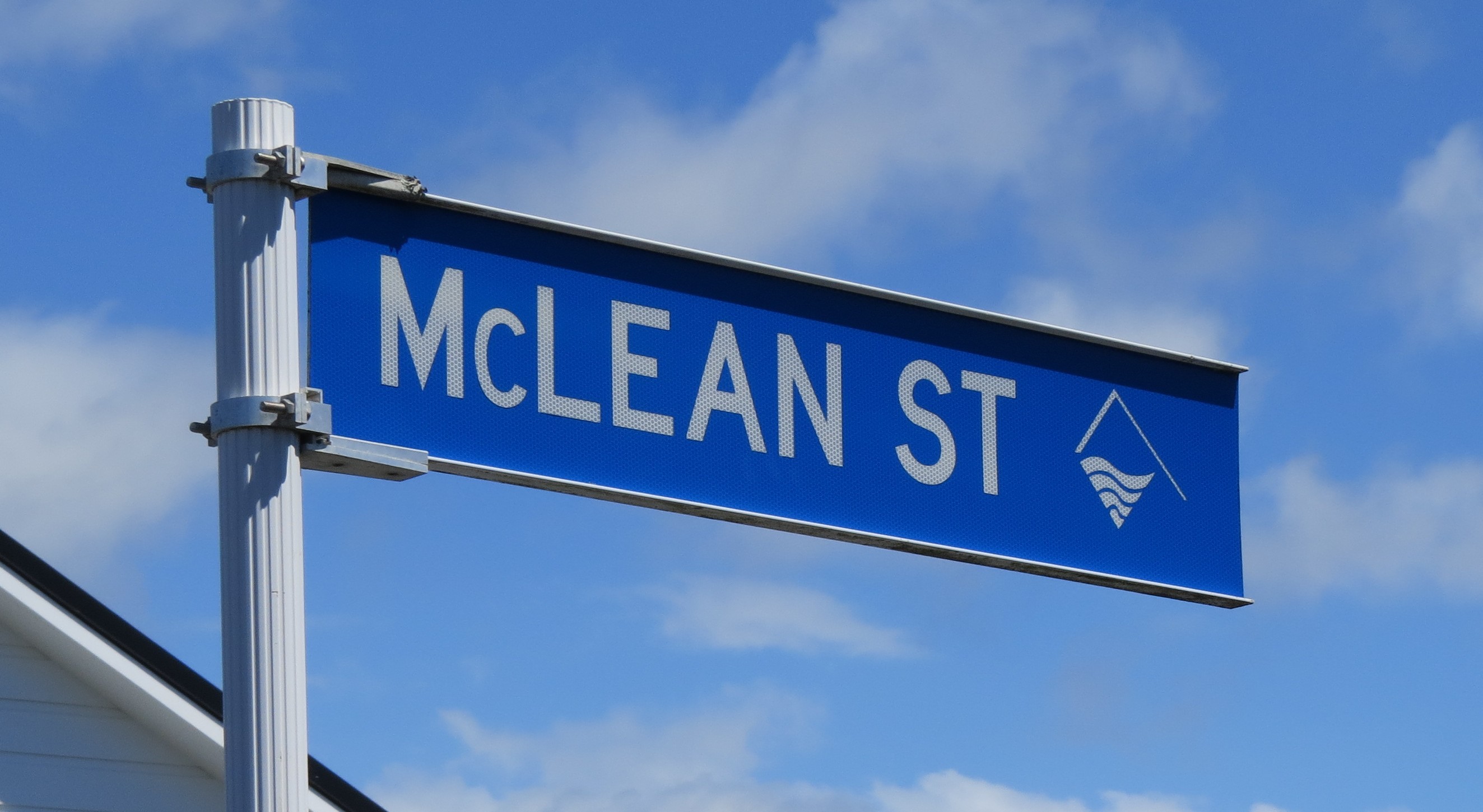
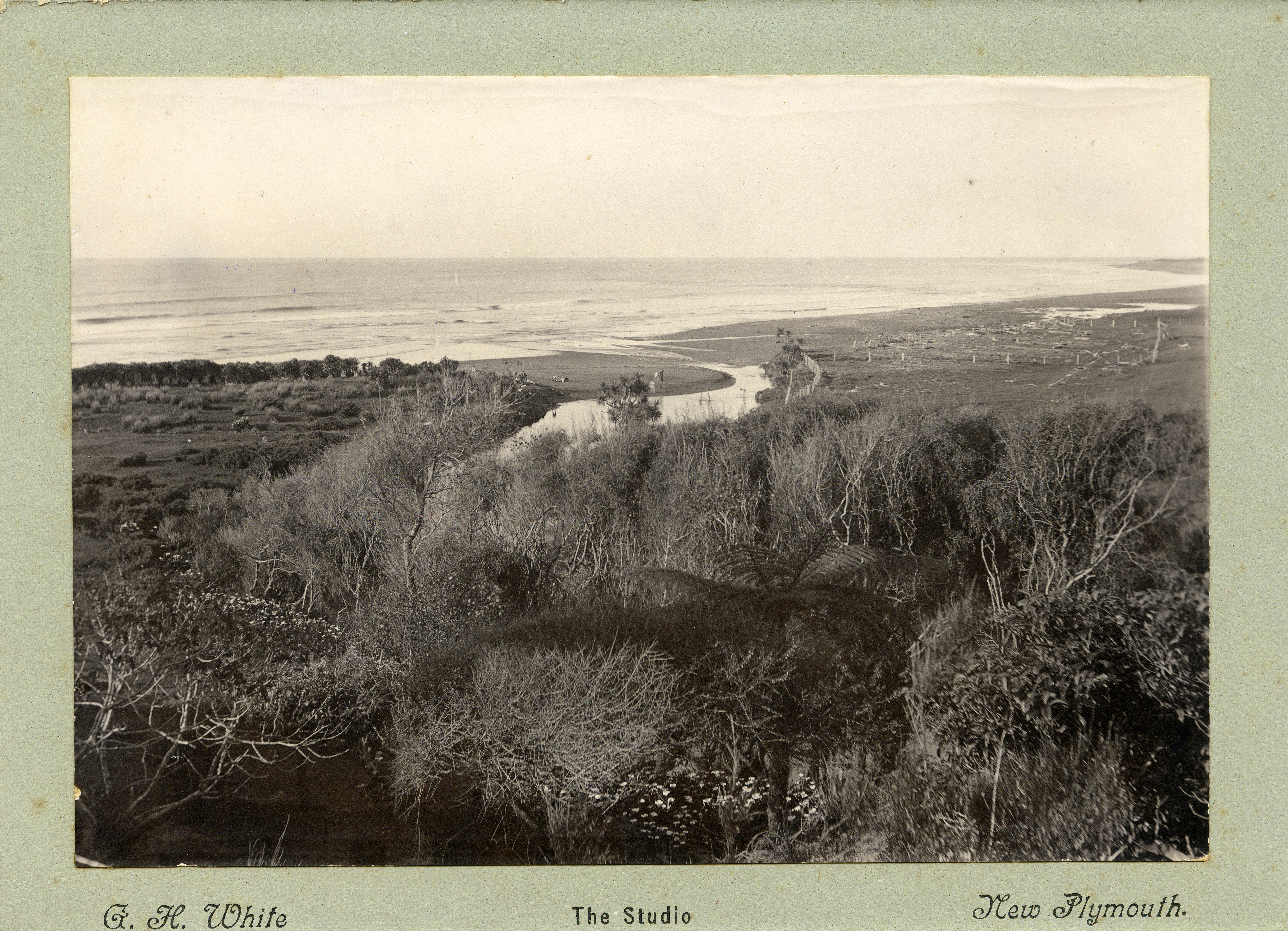
McLean Street runs between Nobs Line and Beach Street in Strandon, near Autere/East End Beach. Fittingly for a thoroughfare so near the ocean, it was named after the captain of the ship William Bryan, which brought the first 148 immigrants from England’s southwest counties to Ngāmotu in March 1841.
Surprisingly little is known about Alexander McLean given his role in the early settlement of New Plymouth. He is thought to have been born around 1814, the son of another naval man, Captain Francis McLean, which would have made him just 26 when he commanded the William Bryan.
The ship’s surgeon, Dr Henry Weekes, barely mentioned McLean in his diary, noting only that “Our skipper is rather deficient in small talk” but “makes very good punch” which was served every Saturday night at 9pm, accompanied by much singing. McLean also encouraged the baking of “twelfth cakes” to celebrate Christmastide on board, a medieval tradition that survives today in the form of festive mince pies. The fact that “Captain Maclean had proved himself a good sailor” was clearly enough to ensure his commemoration on the map of the new settlement.
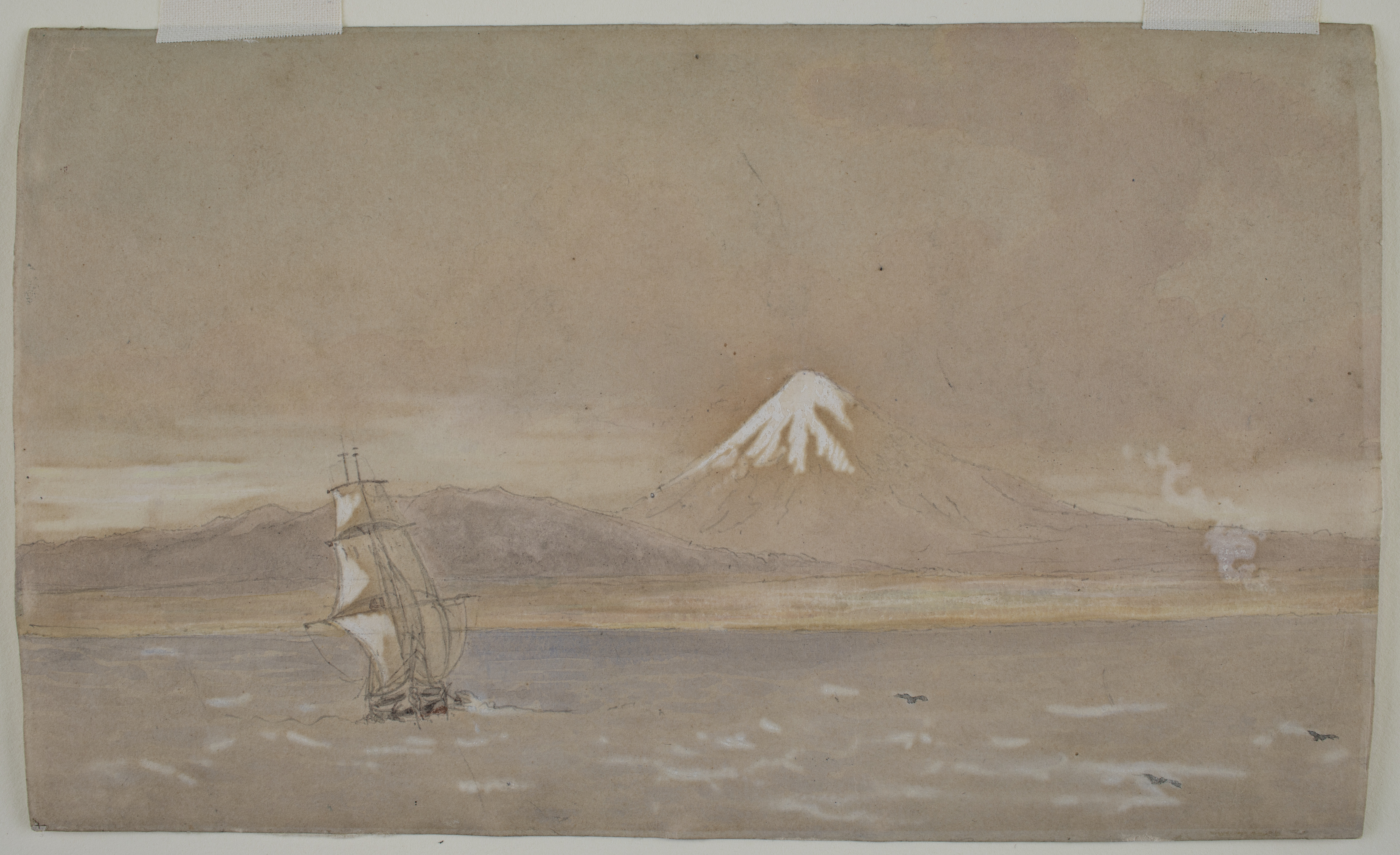
The William Bryan left Plymouth on 19 November 1840 and her passengers, including 70 children, finally spotted the Sugar Loaves on 30 March. They anchored that evening and came ashore the next morning, living in tents until raupō whare could be constructed.
After delivering these pioneer settlers, nicknamed Bryanites, along with all their cargo and livestock, McLean and his crew sailed for Marlborough, returning to New Plymouth in May 1841 with useful items including bricks and pigs. He then headed for Java, carrying precious mail for England with him.
Alexander McLean never married and died at sea on 23 March 1857 while sailing to London from Geelong on the ship Thames, which had been delivering immigrants to Australia and returning to Britain loaded with gold.
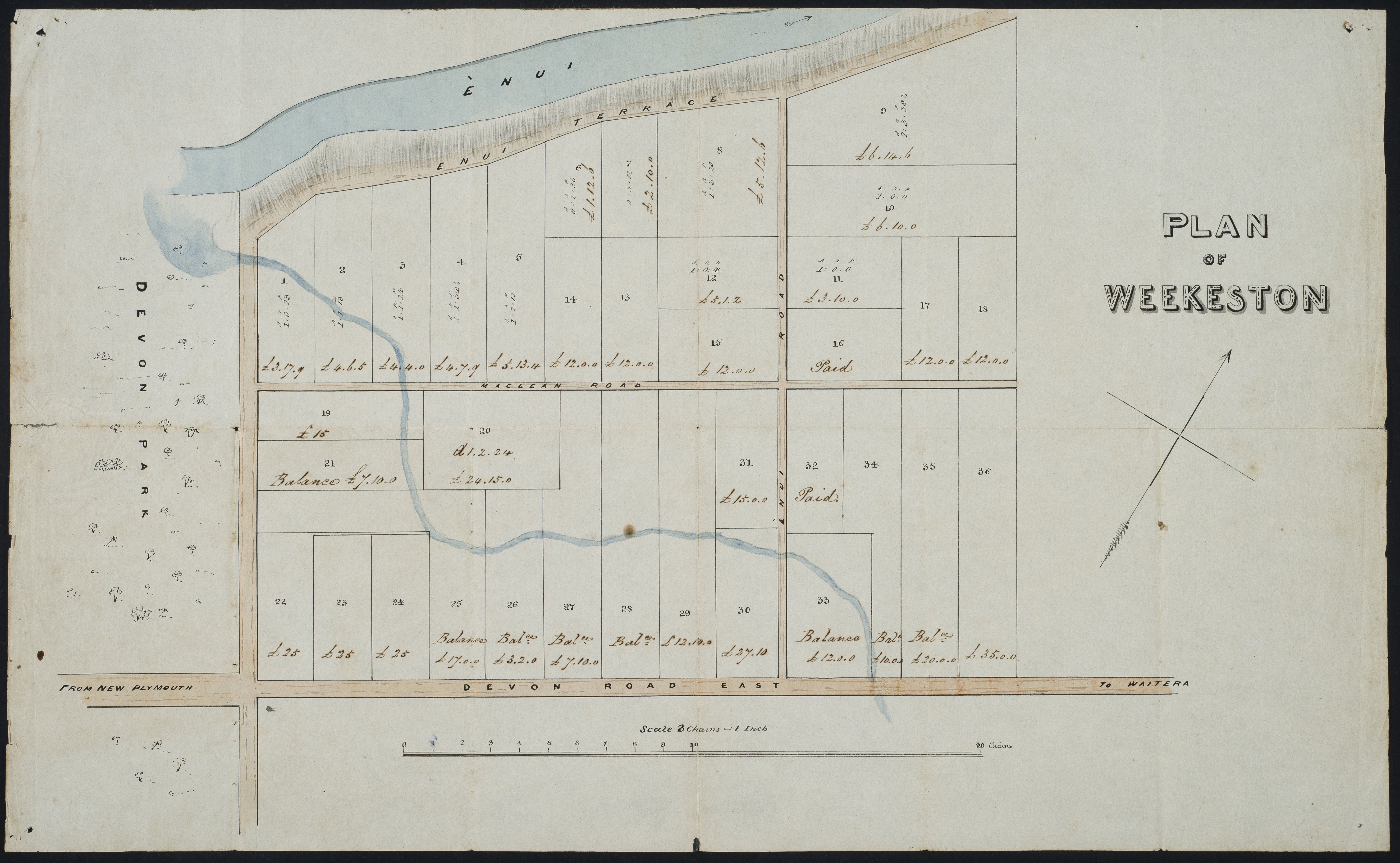
Originally known as McLean Road, today’s street was located on land farmed by the Hamblyn family. Residents applied to the Borough Council for access to the city’s water mains in 1911 and began to be connected for electric lighting in 1912 but McLean Street was not tar-sealed until 1934.
This story was originally published in the Taranaki Daily News.
Related Documents
Taranaki DP1840 McLean Street (1902) - ICS Pre 300,000 Cadastral Plan Index (Imaged by LINZ)
Changes in foreshore (Taranaki Daily News 19 November 1932)
Please do not reproduce these images without permission from Puke Ariki.
Contact us for more information or you can order images online here.


