


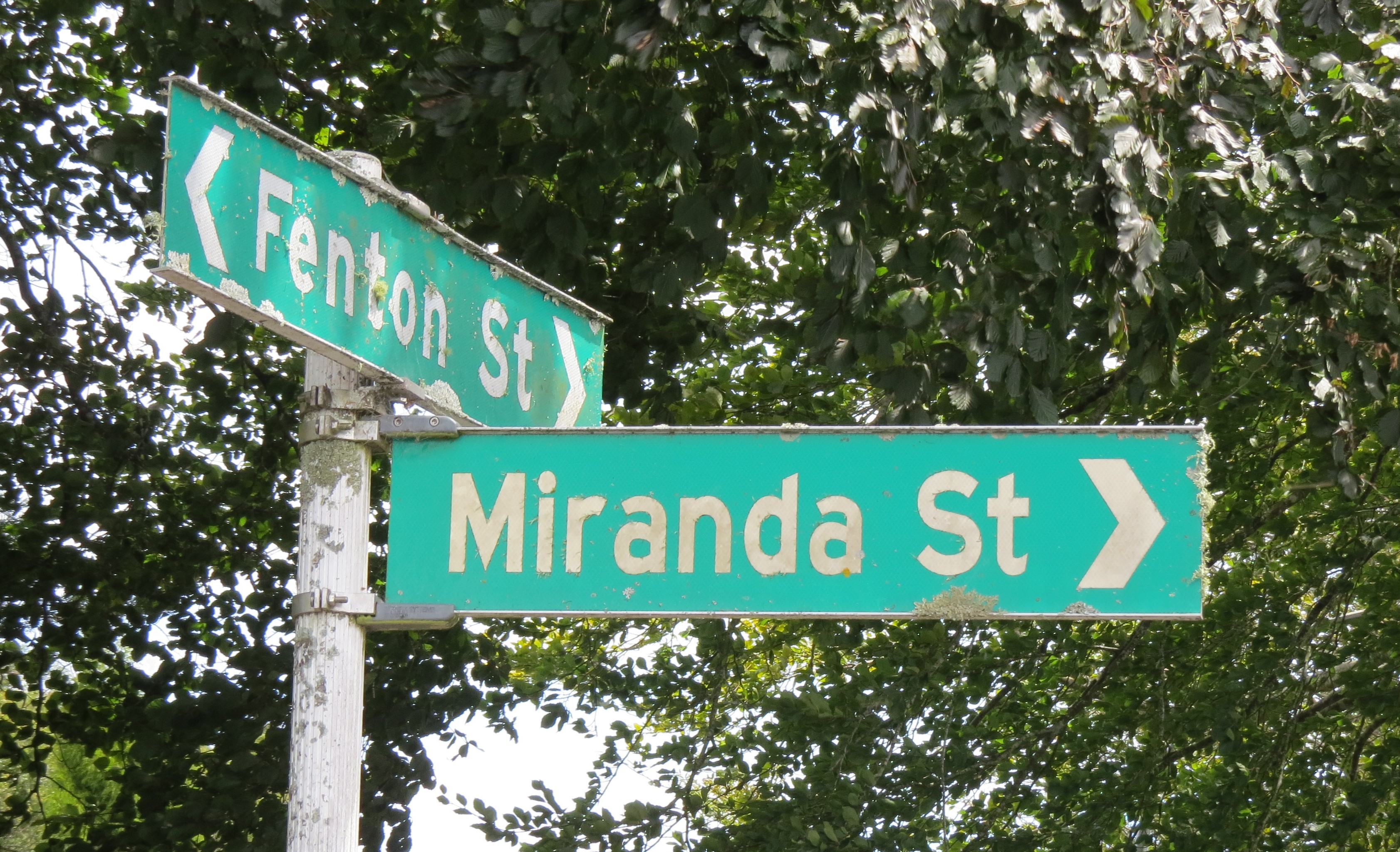
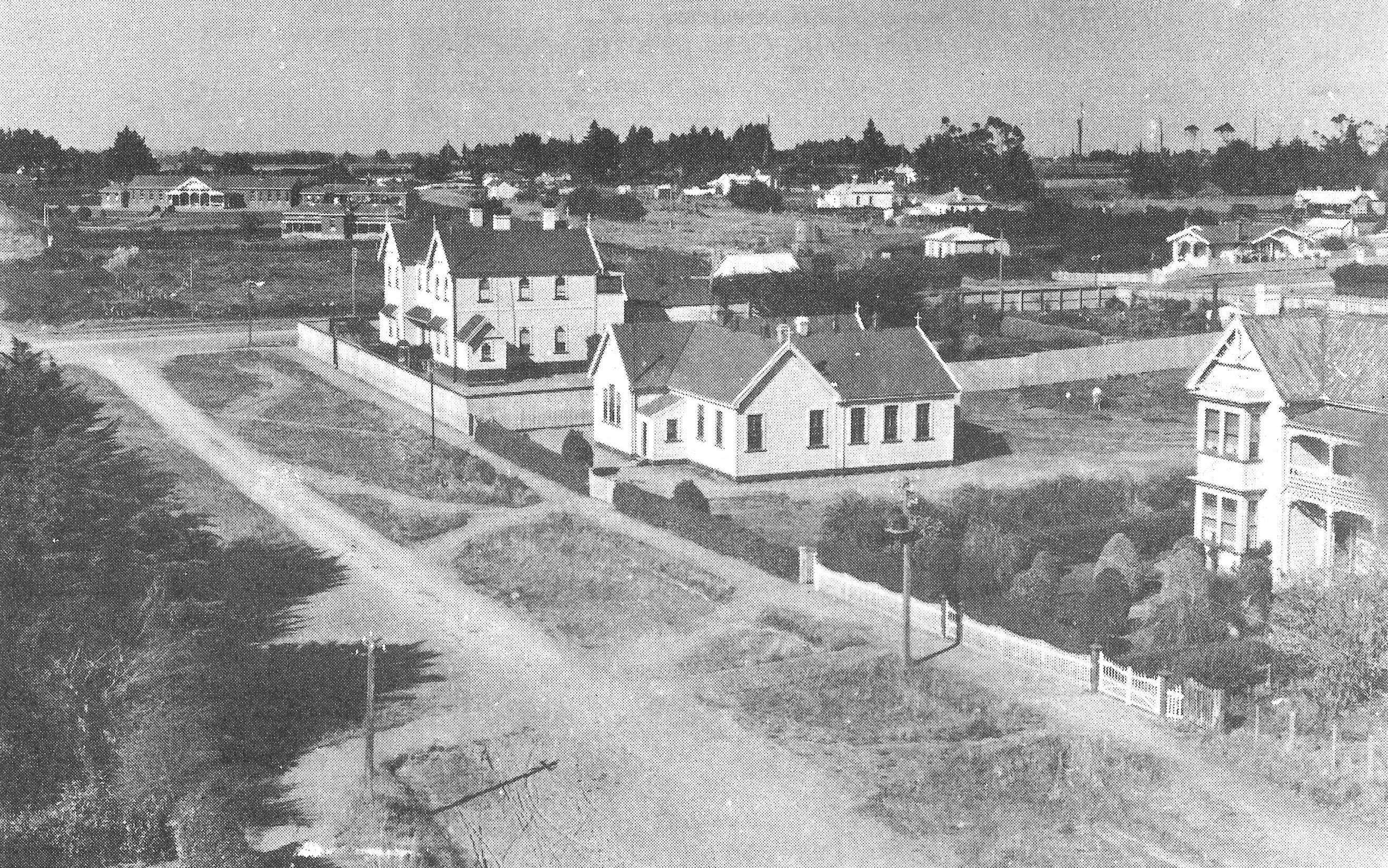
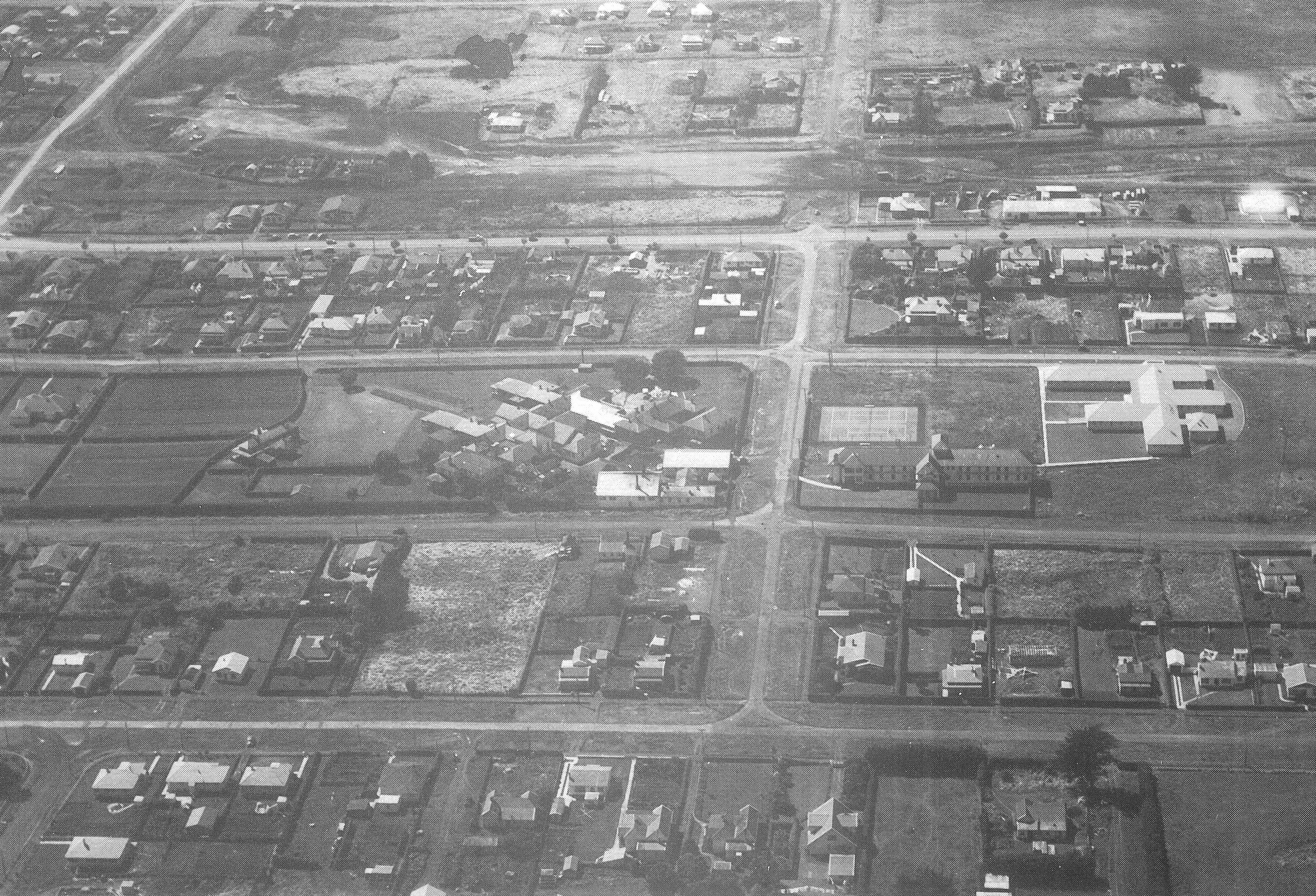
Miranda Street runs south from Pembroke Road West to Warwick Road in Stratford and was named after the only female character in William Shakespeare’s play The Tempest.
Sections on the street were offered for sale at “upset prices” in 1880, starting from just £7 ($1500 in today’s money), and metalling began the following decade. Gangs of unemployed men were put to work levelling the thoroughfare and forming its footpaths during the Great Depression. A local Self-Help Club was established at the same time, with its meeting room located on Miranda Street. Members swapped seeds, repaired books and engaged in other useful tasks to save money and fill their days while they were out of work.
Stratford Hospital opened in 1907 and its entrance, laid out with lawns and flower beds, faced onto Miranda Street. These were replaced by vegetable gardens during the Second World War, which became so prolific that hospitals in Hāwera and New Plymouth were regularly sent surplus food. The gardens were replanted with ornamentals in the 1970s, including hundreds of rose bushes.
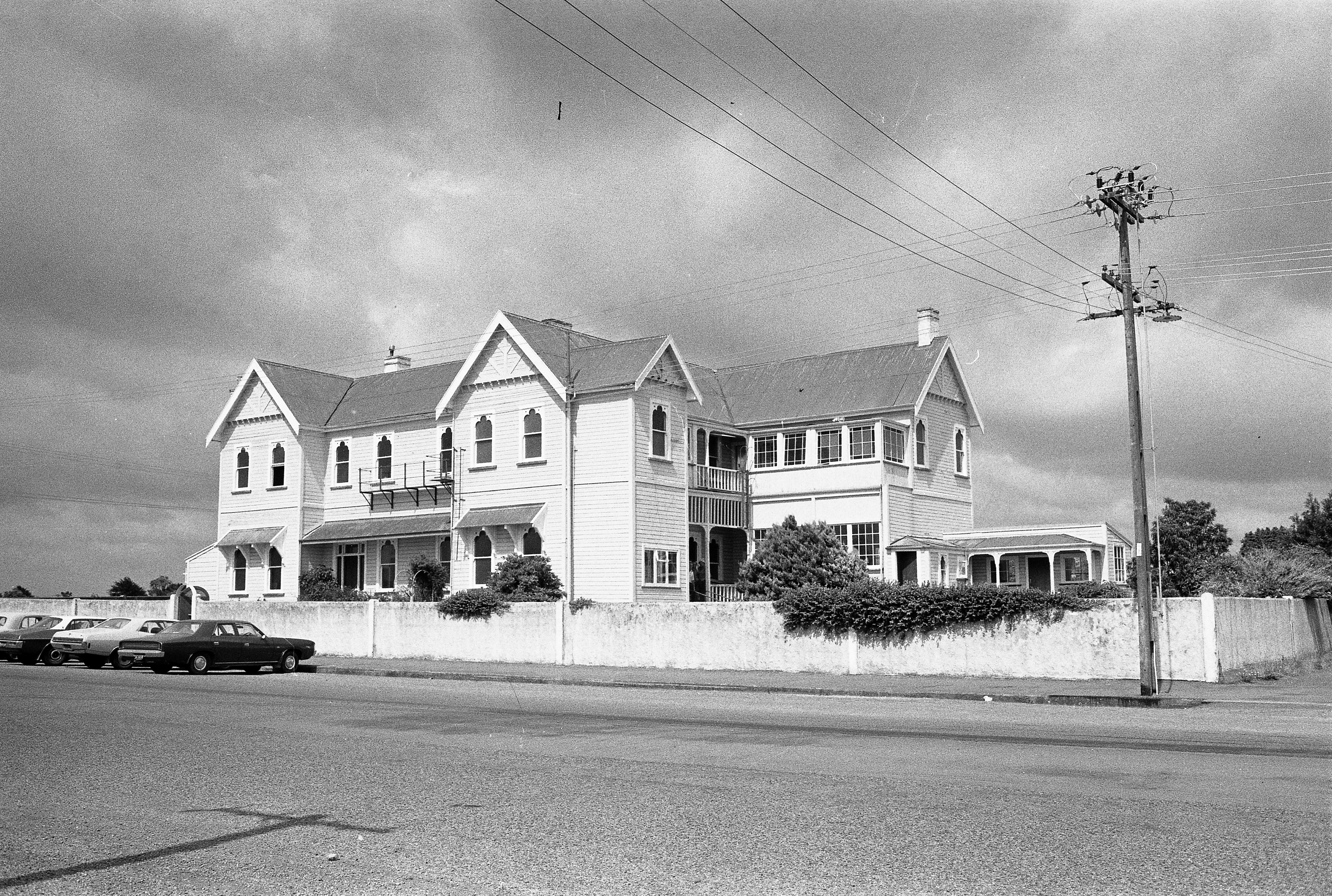
The town’s Catholic residents built their first church, St Mary’s, on Miranda Street in 1884. A convent followed in 1899, providing a home for several nuns until it was demolished in 1978. St Andrew’s Presbyterian Church was constructed in 1890, located where the Stratford War Memorial Centre now stands. This was opened in 1995, marking fifty years since the end of the Second World War, replacing a War Memorial Hall that had been completed just in time for Anzac Day in 1955. The block had previously been home to the district’s saleyards, which regularly held as many as 4000 sheep or cattle in its pens each week, as well as auctioneer Newton King’s horse bazaar, constructed in 1917.
The Tempest was written in 1610, making it one of the last plays Shakespeare produced. He based the character of Prospero, a powerful magician and father of Miranda, on himself as a farewell to the stage.
Prospero and Miranda are banished to a Mediterranean island with only a monster and a sprite for company. When Miranda falls in love with Ferdinand, a shipwrecked prince, their engagement brings two warring families together and frees both father and daughter from exile.
Shakespeare invented the name Miranda especially for this play, basing it on the Latin word “mirandus” meaning admirable or lovely.
This story was originally published in the Taranaki Daily News.
Please do not reproduce these images without permission from Puke Ariki.
Contact us for more information or you can order images online here.
The information on this website is provided for general research and reference only. While we try to keep content accurate and current, we make no guarantees about its completeness or correctness. It should not be considered a replacement for a LIM or a Property Report. Some content is supplied by third parties. Puke Ariki has not verified this content and users should check its accuracy before relying on it.The inclusion of a building on the website does not imply heritage status. See SCHED1 in the NPDC District Plan for a list of buildings that have rules about what can happen to or around them (administered by NPDC). See the New Zealand Heritage List for a list of buildings that are celebrated for their heritage significance but are not subject to rules (administered by Heritage New Zealand Pouhere Taonga). Should any corrections need to be made to the records or for more information please contact us.


