

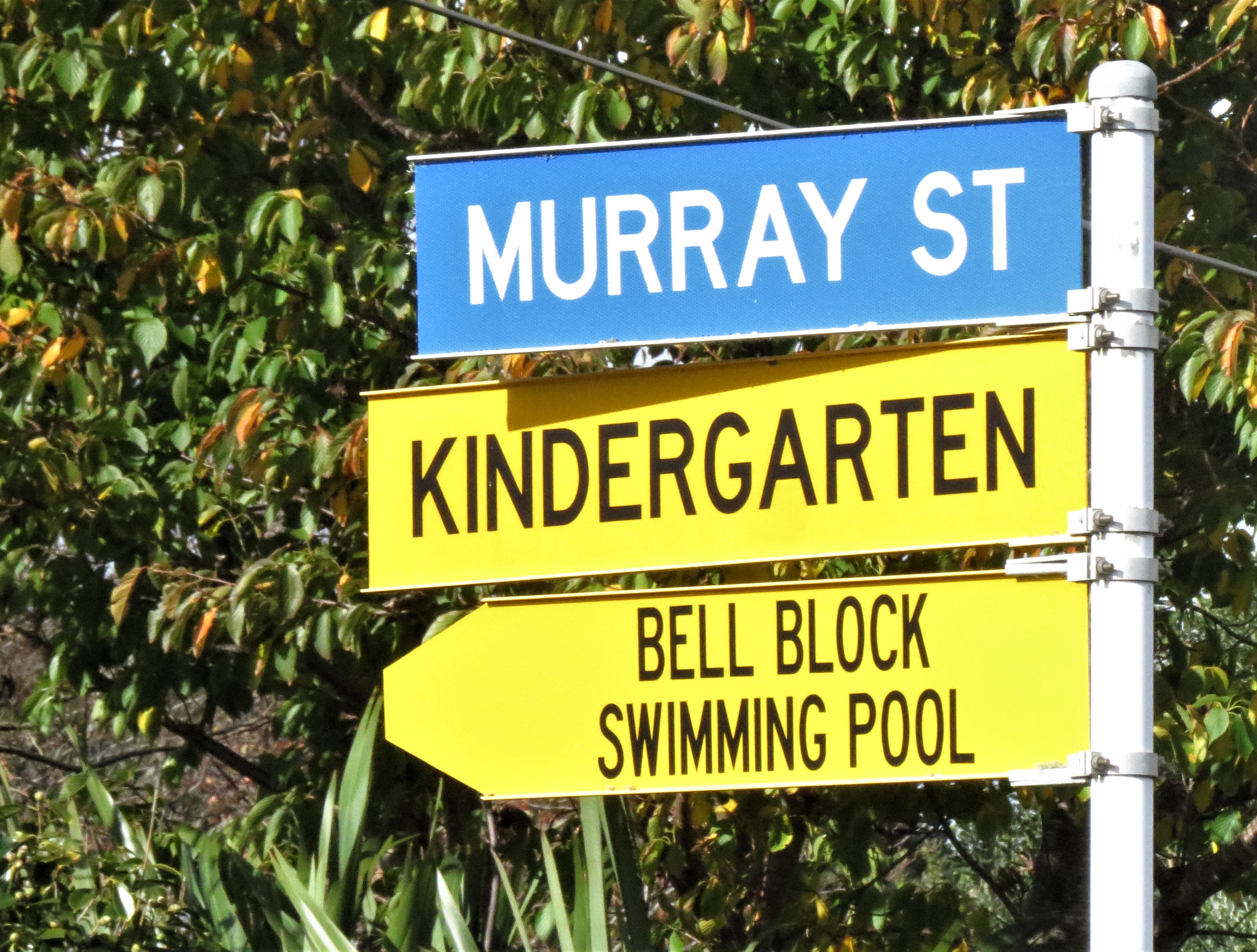
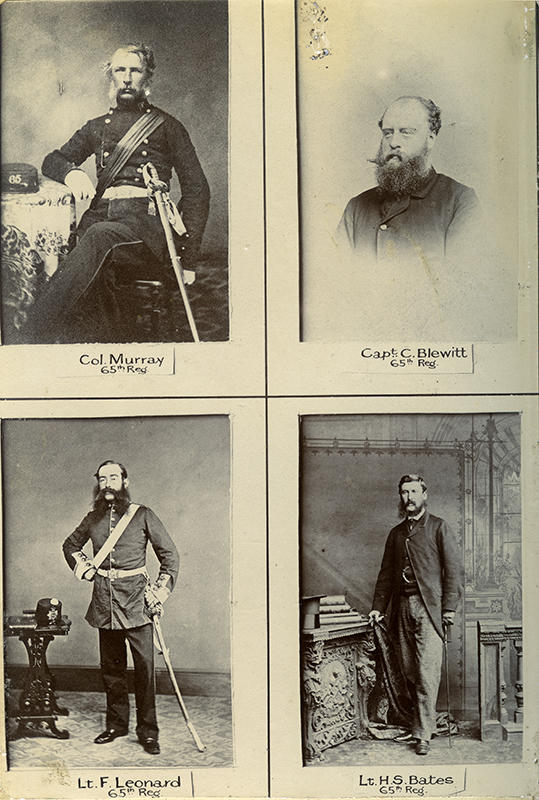
Murray Street in Bell Block was named after British soldier George Freeman Murray. The son of a Lieutenant-General who owned a sugar plantation in Guyana, George was born in Canada in 1809 and joined the 65th Regiment as a teenager. He was made Captain when his father purchased his commission, a common practice thought to encourage loyalty as well as maintain the social exclusivity of the officer class.
Murray was posted to New Plymouth in 1855 and lived on Gill Street. The European population had just begun to exceed that of Māori, whose right to refuse to sell land was overridden, and conflict inevitably followed. Newly promoted to Lieutenant-Colonel, it was Murray who declared martial law in the region on 22 February 1860.
All families in the area were urged to seek shelter in New Plymouth, which was garrisoned by more than 1000 British troops as well as hundreds of settler militia and volunteers. Despite such numbers, it became clear that the British could not win outright and in 1861 a ceasefire was signed.
Murray married Kitty Wallace in 1829 and they had five children. He retired from the army as a Major General and died back in England on 10 December 1866.
The east end of Murray Street was once home to the first Anglican Church in Bell Block, known as “Hua Village Church”. Built in 1857, the small wooden building survived the Taranaki Wars but was replaced in 1902 by St Luke’s Church, designed by local architect Frank Messenger.
This church was then moved to a farm on Umutekai Road in 1976, eventually replaced by another St Luke’s on Mangati Road in 1990. The site of the original churches is now St Luke’s Cemetery. A biblical garden, planted with trees and shrubs mentioned in the Bible, and a labyrinth modelled on the one in Chartres Cathedral, France, have also been added to the Murray Street site.
This story was originally published in the Taranaki Daily News.
Please do not reproduce these images without permission from Puke Ariki.
Contact us for more information or you can order images online here.
The information on this website is provided for general research and reference only. While we try to keep content accurate and current, we make no guarantees about its completeness or correctness. It should not be considered a replacement for a LIM or a Property Report. Some content is supplied by third parties. Puke Ariki has not verified this content and users should check its accuracy before relying on it.The inclusion of a building on the website does not imply heritage status. See SCHED1 in the NPDC District Plan for a list of buildings that have rules about what can happen to or around them (administered by NPDC). See the New Zealand Heritage List for a list of buildings that are celebrated for their heritage significance but are not subject to rules (administered by Heritage New Zealand Pouhere Taonga). Should any corrections need to be made to the records or for more information please contact us.


