


Catherine Elizabeth Sinclair, known as Katie - was born in Wellington in 1869. Her parents, John and Isabel had married the year before and Katie would be their only child. By the time she was five, her English-born mother had died.
Two years later, in 1876, her father remarried to a woman named Louise Hill and they went on to have four more children.
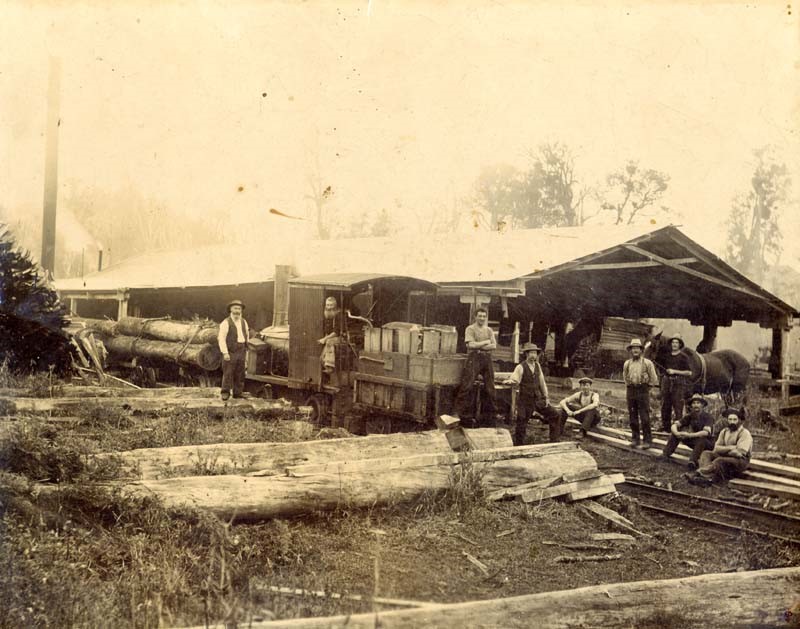
The family settled in Wainuiomata, where John farmed a 100-acre property alongside his brother Duncan. Later, he worked as a saw miller. But sometime in the mid-1880s, the family moved to the newly surveyed Taranaki settlement of Ngāere.
Ngāere’s impressive forests were about to be milled and by 1890, John was running a sawmill there.
We get our first real glimpse into Katie’s life through a letter she wrote on April 30th, 1887, to her cousin in Wainuiomata. Katie was 18, living at home with her father, stepmother and three much younger half-siblings. She opens with an apology for not writing sooner and a confession:
“I hardly know how to begin. Mother has been lecturing me well for my laziness and now wants to know how many sheets I intend to fill with my excuses.”
Katie recounts a remarkable journey she took with a friend to visit the Clarke family near Pātea. They rode 64 kilometres on horseback in a single day, armed only with a vague map and some unhelpful directions.
She was clearly impressed with the South Taranaki landscape:
“It is a lovely place down there, so wild and grand, all those deep gorges with the river winding below. In spite of the cooking and all, I enjoyed my trip splendidly.”
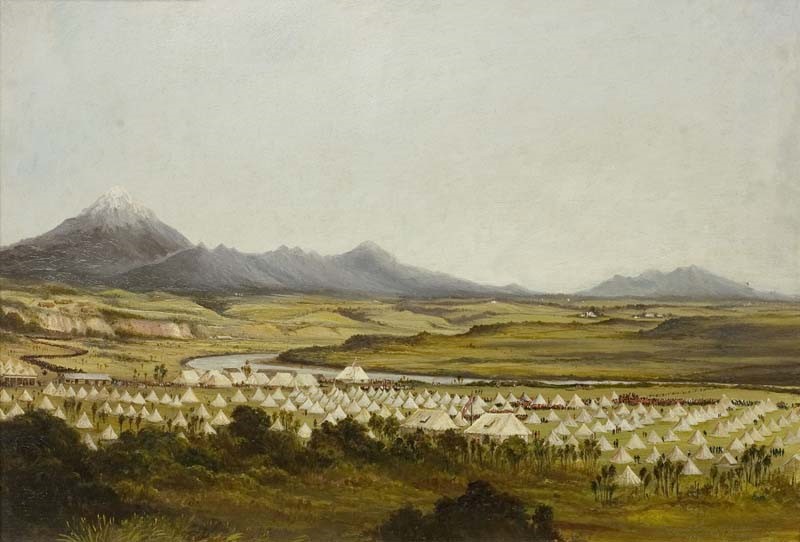
Then, she shares a vivid account of a trip to New Plymouth to see the Easter Encampment – which was a large military event involving 3,000 members of New Zealand’s volunteer forces which included training and displays. Her excitement is obvious.
“Well, the next thing was I had an invitation to New Plymouth to stay over the Easter Encampment. Two of us girls went in together on the Saturday morning (it is about a 3 hour trip from here and the train was so crowded we were sitting two or three deep all the way).”
They managed to get all their shopping and errands done that afternoon. But the evening was a different story:
“Though we daren’t go out in the evening, the streets were so full of the soldiers that most of the women folk were afraid to show their noses.”
She describes the scene with humour:
“The navals took possession of the Salvation Barracks, while another batch had gone to the Horticultural Show and eaten up all the fruit and everything edible and enjoyed themselves to their hearts content.”
Katie was determined to make the most of her visit:
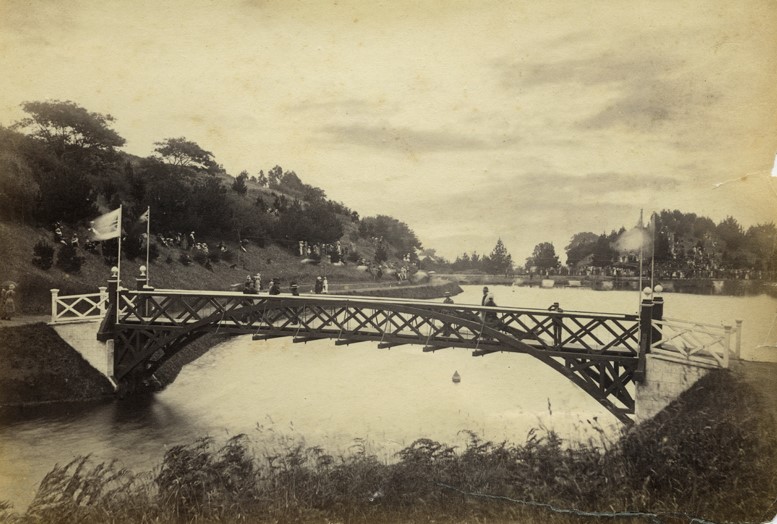
“As I had never been to (New) Plymouth before and my companion not for five years, we made up our minds to see as much of the place as possible—so went out to the Recreation ground in the afternoon.”
She paints a picturesque scene of Pukekura Park:
“It is very pretty indeed, with a splendid lake in the centre and a boat on it with a fine big bridge. Then there are fountains here and there and now they are erecting a band stand.”
On Monday morning, they headed out to the military review at Waiwhakaiho and she was both impressed and entertained by the spectacle:
“They all looked grand but we liked the Tars the best—they were a splendid lot of fine fellows. The Cavalry looked fine, but the Artillery amused us most. They had not brought horses, so got all the old screws they could find about town, and instead of being able to keep line with them, you would see one jibbing while another wouldn’t pull at all, and so on.”
That evening, they attended a performance of HMS Pinafore by local amateurs:
“It was very good indeed and the Hall was crowded—lots not being able to get in at all. We went very early and then nearly had to give up although we had three gentlemen with us.”
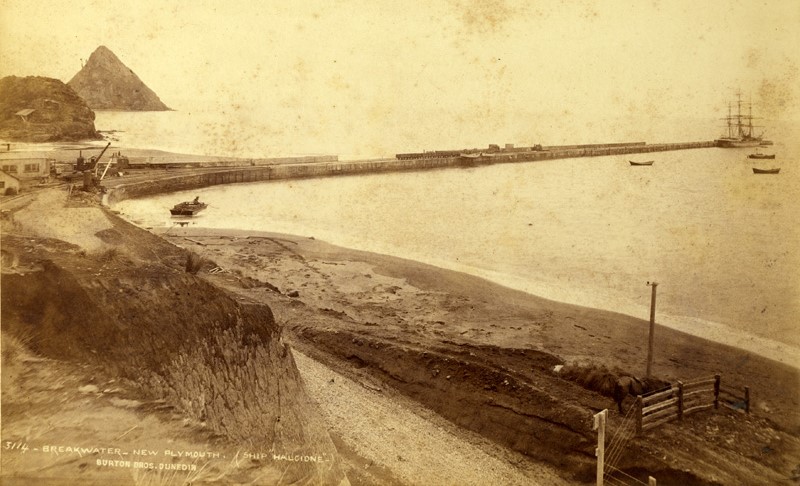
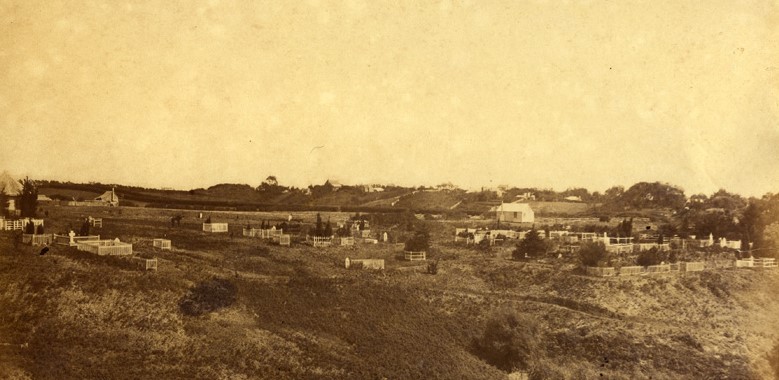
On Tuesday morning, they concluded their trip by visiting the breakwater and Te Hēnui Cemetery which she considered as very pretty.
She finishes her letter with updates from home: her father working ten-hour days at the mill and her stepmother helping decorate the Ngaere Hall for an upcoming fundraising concert.
The children are growing fast, but they’ve had to pull them out of school again due to: “Having such a duffer of a master.”
This is one of eight letters held in the Museum’s archives. Donated by Katie’s grandson, they span her life from late teens to newlywed, married to Walter Chambers in 1896, and later as a mother of four.
In the final letter, written to the same cousin in 1914, Katie is 45 and living in Ōpunake. Her life was full - organising her children, attending meetings and fundraisers, going to the races, visiting Parihaka, and advocating for better health services in the town.
Her husband, Walter Chambers, a schoolteacher and then an agent for the Northern Steamship Company, died in 1932 and Katie moved to Whangārei to live with one of her daughters. She died there in 1957, aged 87.
Sinclair, Katie ARC2009-184 Puke Ariki Collection
LinkPlease do not reproduce these images without permission from Puke Ariki.
Contact us for more information or you can order images online here.


